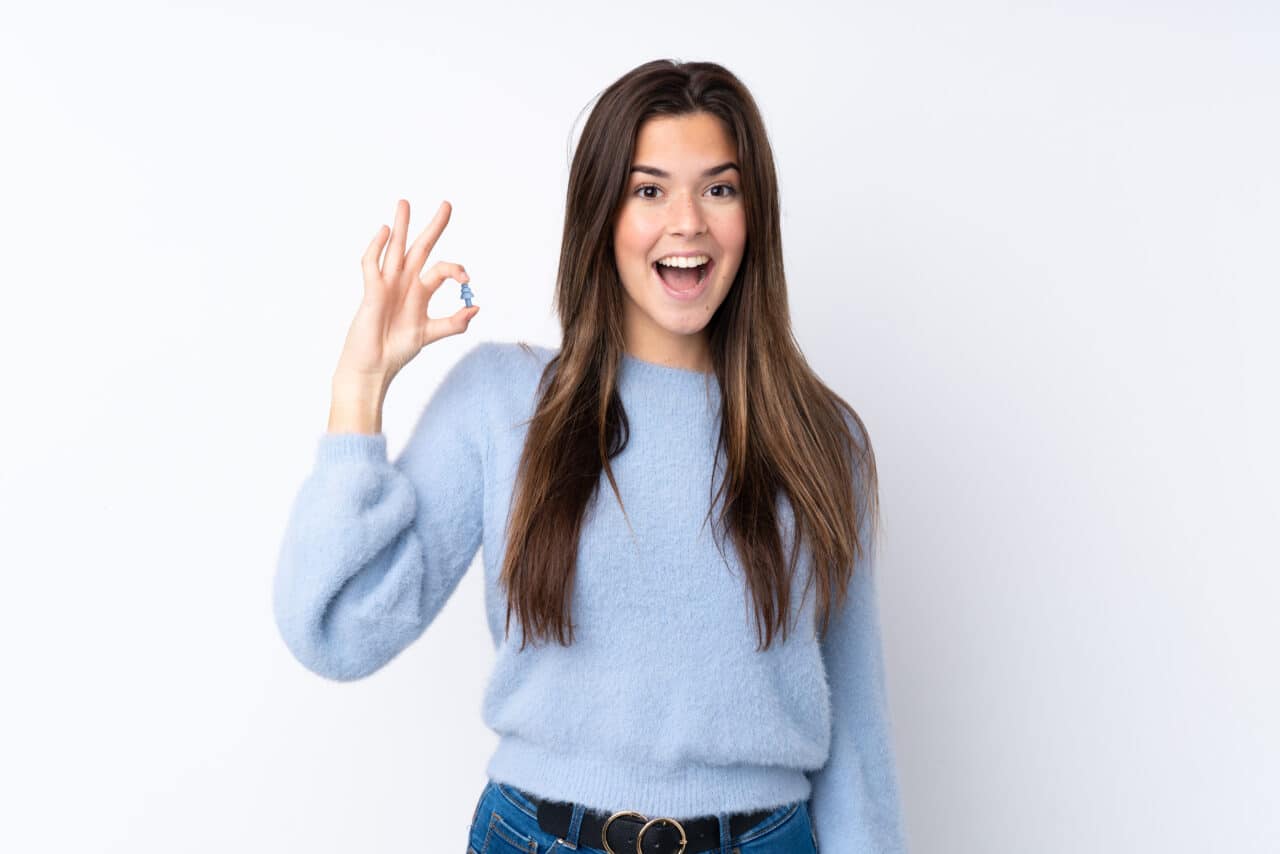
Yes, earplugs at stadium concerts are absolutely necessary in 2026. Sound levels at live music events regularly exceed 110 dB, which is loud enough to cause immediate and permanent hearing damage. High-fidelity earplugs let you hear the music clearly while keeping your ears safe, so you don’t have to choose between protection and a great experience. The short answer: bring them every time.
How loud are stadium concerts, really?
Stadium concerts are loud. Like, genuinely, medically loud. Sound levels at large live music events routinely hit 110 dB or higher, and in some sections of the crowd, peaks can go even higher. To put that in perspective, a normal conversation sits around 60 dB. A lawnmower is about 90 dB. At 110 dB, hearing damage can start within minutes of exposure.
The World Health Organization published a Global Standard in 2022 recommending that venues limit sound to no more than 100 dB averaged over any 15-minute period. That standard exists precisely because research shows how frequently venues exceed safe levels. And in the US, there is currently no federal noise regulation for concert venues, meaning promoters and venues are not legally required to keep the volume within safe limits. You are on your own.
EDM events and stadium concerts tend to be among the loudest environments most people will ever stand in. The combination of powerful speaker systems, enclosed spaces, and long set durations creates a noise dose that adds up fast. Being closer to the stage makes it worse. Standing near speaker stacks makes it even worse.
At what volume does loud music start damaging your hearing?
Hearing damage from loud music is not just about peak volume. It is about volume combined with time. At 85 dB, the generally accepted safe exposure limit is around eight hours. Every 3 dB increase above that roughly halves the safe exposure time. At 100 dB, you are looking at around 15 minutes before damage becomes a real risk. At 110 dB, that window drops to just a few minutes.
The tricky part is that the damage does not always feel dramatic in the moment. You might leave a concert with temporary ringing in your ears, assume it fades overnight, and move on. But research shows that even when those short-term symptoms fully resolve, progressive injury to the delicate hair cells in your inner ear can continue for months. Those hair cells do not regenerate. Once they are gone, they are gone.
There is also something called hidden hearing loss, where damage does not show up on standard hearing tests but still affects your ability to understand speech in noisy environments. It is more common than people realize, and repeated exposure to loud events is one of the main causes. Nearly one in four US adults between the ages of 20 and 69 already show signs of noise-induced hearing loss, according to CDC data.
Do earplugs actually ruin the sound quality at concerts?
This is the question that stops most people from wearing earplugs at concerts, and it is a fair one. Cheap foam earplugs do muffle sound. They block high frequencies more than low ones, which makes music sound dull and underwater. If that is your only reference point for earplugs, it makes sense that you would rather go without.
But high-fidelity earplugs work completely differently. Instead of stuffing the ear canal and blocking sound indiscriminately, they use a filter to reduce volume evenly across the frequency range. The result is music that sounds like the real thing, just turned down. You still hear the detail, the dynamics, and the full mix. You can still hold a conversation without taking them out.
The difference between a standard earplug and a well-designed high-fidelity earplug is genuinely noticeable. Anyone who has tried a quality pair at a live event usually describes the experience as a revelation. The music sounds clearer, not muddier, because you are no longer dealing with the distortion and fatigue that comes from overloading your ears.
What types of earplugs are best for concerts and live music?
For concerts and loud events, you want earplugs specifically designed for music. There are a few categories worth knowing about.
- Foam earplugs: Inexpensive and widely available, but they block sound unevenly and distort the listening experience. Fine for blocking out noise entirely, not suitable for enjoying music.
- Standard silicone earplugs: Slightly better than foam, but still not designed to preserve sound quality. They tend to block more high-end frequencies, leaving music sounding flat.
- High-fidelity music earplugs: Designed with filters that reduce volume evenly across frequencies. These are the ones you want for concerts, EDM events, and stadium events. They protect your hearing while keeping the music sounding as it should.
- Custom-molded earplugs: Made from an impression of your ear canal by an audiologist. Excellent fit and performance, but expensive and require an appointment. A good option for musicians or frequent concert-goers with a larger budget.
For most people who attend concerts regularly, a quality universal-fit high-fidelity earplug hits the right balance of performance, comfort, and price. The filter design matters more than most people realize. Ceramic filters, for example, conduct sound more cleanly than plastic alternatives, which contributes to a clearer and more balanced sound even after the volume has been reduced.
Should you wear earplugs at every concert or only some?
A useful rule of thumb: if you have to raise your voice to be heard by someone standing next to you, the sound level is already in the range where hearing protection makes sense. At most stadium concerts and EDM events, that threshold is crossed well before the headline act takes the stage.
Smaller acoustic shows in quiet venues are a different story. A solo performer in a coffee shop or a small jazz bar is unlikely to put your hearing at risk. But as soon as amplification enters the picture at serious volume, the risk goes up quickly.
Survey data from the CDC shows that around 80% of US adults reported never or rarely using hearing protection at loud entertainment events, even among those who acknowledged the risk. Awareness and action are two different things. The practical takeaway is simple: for stadium concerts, music festivals, clubs, and EDM events, wearing earplugs every time is the sensible default. Your ears do not get a recovery day between shows the way muscles do after exercise. The damage accumulates.
How do you find earplugs that actually fit and stay in place?
Fit is everything with earplugs. An earplug that does not seal properly does not protect properly, no matter how good the filter is. Here is what to look for.
Most high-fidelity concert earplugs come with multiple tip sizes or a layered mushroom-style design that adapts to different ear canal shapes. Try them at home before the event. Insert them, give your head a shake, and check whether they stay in place. If they slip out easily or feel uncomfortable after a few minutes, try a different size or style.
Material matters for comfort too. Soft synthetic rubber tends to sit more comfortably in the ear for extended wear than harder silicone, and it tends to create a better seal. It also tends to be more durable, which matters if you plan to use the same pair across multiple events.
One thing worth knowing: some earplug designs position the filter at the tip of the stem, which means the filter only works when the earplug is inserted deeply enough. If you have a smaller ear canal and the earplug does not go in all the way, you lose protection. A design where the filter sits inside the body of the earplug rather than at the stem tip means you stay protected regardless of how deep the fit goes. It is a small design detail that makes a real difference in practice.
What are the long-term consequences of skipping hearing protection at concerts?
Skipping earplugs at a single concert is unlikely to cause catastrophic damage. But most people who go to concerts do not go to just one. They go to dozens over years and decades. And that cumulative exposure is where the real risk lies.
Repeated exposure to high sound levels damages the hair cells in the inner ear and the nerve connections to the brain. The result is hearing loss, tinnitus, or both. Tinnitus, the persistent ringing or buzzing that many long-time concert-goers develop, currently has no cure. Hearing loss from noise exposure is also irreversible. There are aids, but there is no fix.
There is also an aging dimension to this. Ears that have been regularly exposed to high sound levels age faster than ears that have been protected. Early noise exposure increases the risk of more severe age-related hearing loss later in life. The choices you make in your twenties and thirties have a direct impact on what your hearing looks like at sixty.
The good news is that protecting your hearing at concerts does not require any sacrifice in the experience. That is exactly what we built Shush Acoustic earplugs for. Our ceramic Venturi-shaped filter reduces sound by 23 dB while preserving the full frequency range, so music sounds clear and balanced rather than muffled. Made from soft hypoallergenic synthetic rubber, they fit comfortably for an entire set and last at least 365 days of use. You get real protection without losing a single thing from the experience. Bring them to every show. Your future self will thank you.
Frequently Asked Questions
Can I use the same pair of high-fidelity earplugs for years, or do I need to replace them regularly?
Most quality high-fidelity concert earplugs are designed for repeated use and can last a long time with proper care. The key is to rinse them with warm water after each use, let them dry fully before storing them, and keep them in their case to avoid damage to the filter. That said, if the tips become misshapen, the filter gets clogged, or the seal feels noticeably weaker than it used to, it is time for a replacement — degraded earplugs offer degraded protection.
What if I forget my earplugs at a stadium concert? Are the cheap foam ones at the venue worth using?
Yes, absolutely use them — imperfect protection is still better than none. Foam earplugs will muffle the sound and make the music feel flat, but they will still reduce your overall noise dose significantly, which matters at 110 dB. Think of them as a fallback, not a substitute. The smarter move is to keep a pair of high-fidelity earplugs in your jacket pocket, bag, or phone case so you always have them on hand without having to think about it.
Will wearing earplugs make it harder to hear people talking to me during the show?
With high-fidelity earplugs, not really. Unlike foam earplugs that block sound indiscriminately, high-fidelity filters reduce volume evenly, which means speech stays intelligible even with them in. Many concert-goers actually find it easier to have conversations while wearing quality earplugs because the music is no longer drowning everything out. You may need to lean in slightly, but you will not be stuck lip-reading or constantly pulling them out.
Is tinnitus after a concert a sign that permanent damage has already happened?
Post-concert ringing, or tinnitus, is a warning signal that your ears were pushed past their safe limit. A single episode that fully resolves overnight may not mean permanent damage has occurred, but it should not be dismissed as normal or harmless. Research indicates that even when temporary tinnitus fades, underlying injury to inner ear hair cells can persist and accumulate over time. If you are regularly leaving shows with ringing in your ears, that is a clear sign your hearing protection habits need to change before the damage becomes permanent.
Are there specific spots in a stadium where the sound levels are safer, and should I factor that into where I stand?
Yes, your position in a venue makes a meaningful difference in your noise exposure. Standing directly in front of speaker stacks or delay towers — the tall speaker rigs placed throughout the crowd — puts you at significantly higher risk than being positioned between them. The area directly in front of the stage at floor level is also typically among the loudest. If you want to reduce your exposure without earplugs, moving further back or to the sides helps, but at most stadium concerts the entire venue is still well above safe levels, so earplugs remain the most reliable solution regardless of where you are standing.
Can kids and teenagers wear the same high-fidelity earplugs as adults, or do they need something different?
Children and teenagers have smaller ear canals on average, so adult-sized earplugs may not fit or seal properly, which compromises both comfort and protection. Many earplug brands offer smaller tip sizes or youth-specific options — it is worth checking the sizing options before buying. Proper hearing protection for younger concert-goers is especially important because their ears are still developing, and the long-term consequences of early noise exposure can be more significant. If standard tips do not fit well, custom-molded earplugs from a pediatric audiologist are worth considering for kids who attend events frequently.
I already have some mild hearing loss. Is it still worth wearing earplugs at concerts?
Absolutely, and arguably it is even more important. Ears that have already sustained noise-induced damage are more vulnerable to further injury because the protective hair cell reserve is already reduced. Wearing high-fidelity earplugs will not reverse existing hearing loss, but it can meaningfully slow the progression and protect whatever hearing you still have. If you have been diagnosed with hearing loss or tinnitus, it is also worth consulting an audiologist, who can recommend the right attenuation level for your specific situation and may suggest custom-molded options for the best possible fit and protection.
Related Articles
- Is ear ringing after a loud shift normal?
- How do you ensure hearing protection compliance on a job site?
- How does noise affect worker health?
- How often do reusable earplugs need to be replaced?
- Are there earplugs that fit small and large ears?
- Can ringing ears after a festival become permanent?
- Can earplugs for loud events still let you feel the crowd energy?
- Can earplugs for music sound protection damage your hearing over time?
- What are the early signs of hearing damage from clubbing?
- What type of ear protection works best in a nightclub?
- What causes hearing loss at loud concerts?
- Do earplugs affect your ability to communicate with people at loud events?
- Do earplugs for clubbing muffle the music too much?
- How many hours in a nightclub is too long without ear protection?
- Can concert earplugs help people with anxiety in loud crowd environments?