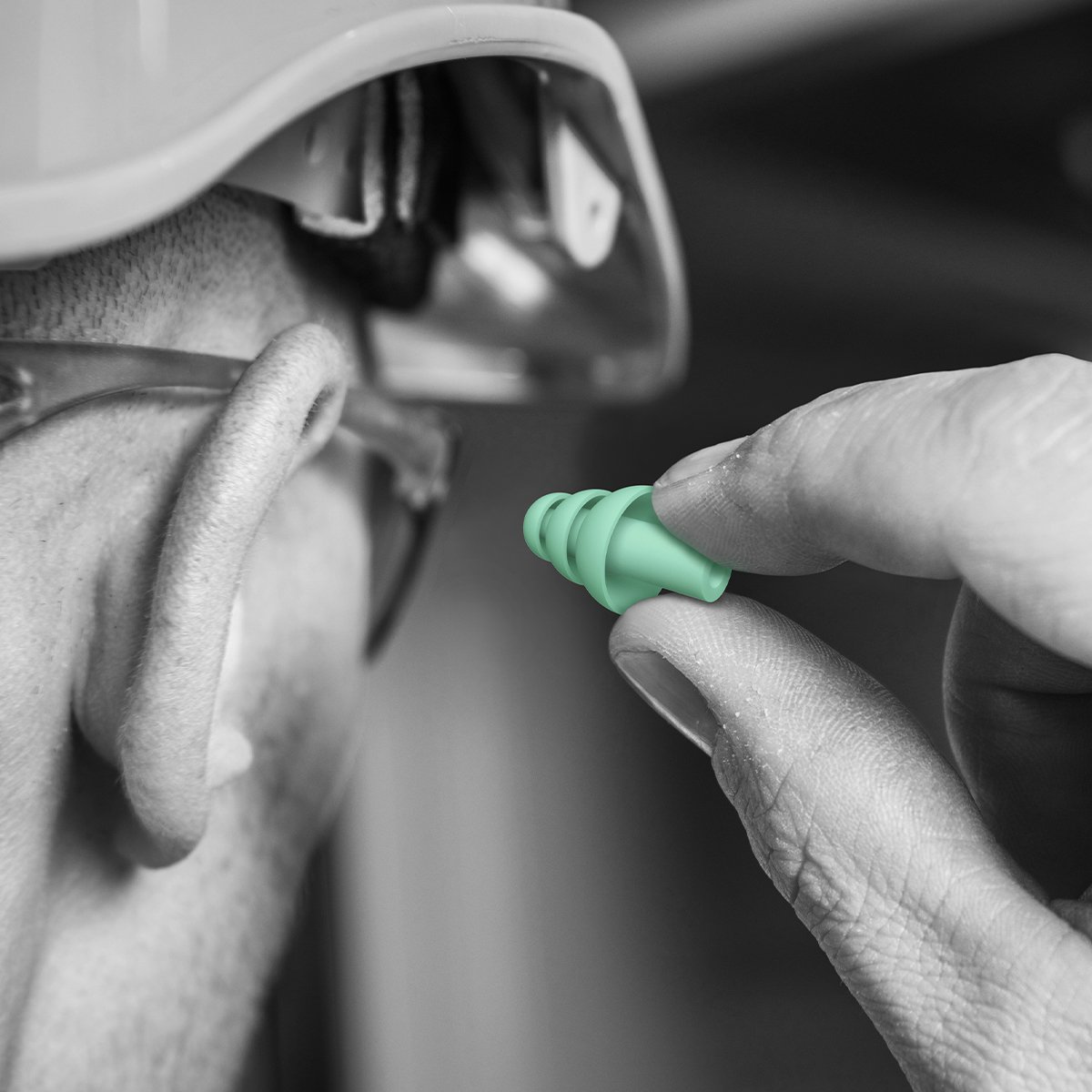
Yes, occasional power tool use can cause hearing loss, even if you only pick up a drill or circular saw a few times a month. Many common power tools produce noise levels above 90 decibels, which is the threshold where hearing damage begins with sustained exposure. A single session without protection can be enough to cause temporary damage, and repeated exposure adds up over time. Below, we break down exactly how loud power tools are, how risk accumulates, and what you can do to protect yourself.
How loud are common power tools compared to safe noise levels?
Most power tools produce noise between 85 and 110 decibels, which puts them well above the safe exposure threshold of 85 dB for prolonged use. To put that in perspective, a normal conversation sits around 60 dB, while a circular saw can hit 105 dB and an angle grinder can reach 110 dB or more. The difference between 85 dB and 100 dB is not just 15 units on a scale — because decibels work on a logarithmic scale, 100 dB is actually 32 times more intense than 85 dB.
Here is a rough guide to where common tools land:
- Drill: 85 to 95 dB
- Jigsaw: 90 to 100 dB
- Circular saw: 100 to 107 dB
- Angle grinder: 100 to 112 dB
- Nail gun: up to 115 dB per shot
- Chainsaw: 110 to 120 dB
Safe noise levels for extended exposure are generally set at 85 dB for up to eight hours. Every 3 dB increase above that cuts the safe exposure time in half. At 91 dB, you are looking at two hours of safe exposure. At 100 dB, it drops to around 15 minutes. At 110 dB, the safe limit is under two minutes.
Can short bursts of loud noise permanently damage your hearing?
Yes, short bursts of extremely loud noise can permanently damage your hearing. A single exposure above 120 dB, such as a nail gun fired close to the ear, can cause immediate and irreversible damage to the hair cells in your inner ear. These hair cells are responsible for converting sound vibrations into signals your brain can interpret, and unlike many cells in the body, they do not regenerate once damaged.
Even noise that does not reach that extreme threshold can cause lasting harm if it is loud enough and the exposure is long enough. The damage is cumulative at the cellular level. Each loud exposure stresses and weakens those hair cells a little more, and the effects stack up over months and years. This is why the question of whether power tool noise is dangerous does not have a simple yes or no answer tied to a single session. It depends on how loud the tool is, how long you use it, and how often you are exposed.
A temporary threshold shift, the ringing or muffled hearing you sometimes notice after a loud session, is your body’s warning sign. It means damage occurred. If it happens repeatedly, some of that temporary damage becomes permanent.
How much power tool exposure is actually risky?
Exposure becomes risky when noise levels exceed 85 dB for more than a few hours, or when they exceed 100 dB for more than 15 minutes without hearing protection. For casual DIYers, a single afternoon project with a circular saw or angle grinder can easily cross that threshold. The risk is not just about how often you use tools, but how loud they are and how long each session lasts.
Consider a typical weekend project: 30 minutes of cutting with a circular saw at 105 dB, followed by 20 minutes of sanding with an orbital sander at 90 dB. Even that relatively short session involves significant noise exposure. Without protection, the hair cells in your cochlea are under real stress for the duration.
The risk compounds when you factor in other noise sources throughout the day. If you have already been exposed to loud traffic, a concert, or a noisy workplace earlier in the day, your ears are starting the DIY session already fatigued. Your total daily noise dose matters, not just the tool use in isolation.
What are the early signs of noise-induced hearing loss?
The early signs of noise-induced hearing loss are easy to miss because they develop gradually and are often mistaken for temporary effects. The most common early indicators include difficulty understanding speech in noisy environments, needing to turn up the TV volume more than you used to, tinnitus (ringing, buzzing, or hissing in the ears), and a muffled or dull quality to sounds after loud exposure.
One of the trickiest aspects of noise-induced hearing loss is that it tends to affect high-frequency sounds first. This means you may still hear low tones clearly while struggling with higher-pitched voices, consonants in speech, or the details in music. Many people do not notice this loss until it has progressed significantly, because the brain compensates for gaps in hearing by filling in context.
If you regularly experience ringing in your ears after using power tools, that is a strong signal that your hearing is being stressed. Tinnitus after noise exposure is not just an annoyance, it is a sign that your auditory system took a hit. Repeated episodes without protection increase the likelihood that some of that damage becomes permanent.
What hearing protection should you wear when using power tools?
For most power tool use, earplugs rated at SNR 20 dB or higher provide solid protection and are far more practical than bulky earmuffs when you need to stay aware of your surroundings or communicate with others. The right hearing protection reduces dangerous noise to safe levels while still allowing you to hear what is happening around you, which matters when you are working with tools that require situational awareness.
When choosing hearing protection for power tools, look for these qualities:
- Adequate noise reduction rating: Match the SNR or NRR to the noise level of the tools you use most. For tools above 100 dB, aim for at least SNR 20 to 25 dB.
- Comfortable fit: If protection is uncomfortable, you will not wear it consistently. Earplugs made from soft, hypoallergenic materials are easier to wear for longer sessions.
- Clear sound quality: High-fidelity earplugs reduce volume without muffling sound, so you can still hear what is going on without removing them every few minutes.
- Reusability: For regular tool use, durable reusable earplugs are more cost-effective and produce less waste than disposable foam options.
Earmuffs are a good choice for very high-decibel tools or for people who find earplugs uncomfortable, but they can interfere with helmets, safety glasses, or other gear. Many experienced DIYers and tradespeople prefer earplugs for their convenience and consistent seal when inserted correctly.
Does occasional power tool use add up to long-term hearing damage?
Yes, occasional power tool use can add up to long-term hearing damage over years of unprotected exposure. Hearing loss from noise is cumulative, meaning each unprotected session contributes to a running total of damage to the hair cells in your inner ear. Even if you only use a circular saw or grinder a few times a month, those sessions stack up across years and decades.
Research into occupational hearing loss consistently shows that it is the total lifetime noise dose, not just the intensity of any single event, that determines long-term outcomes. Casual DIYers and hobbyists often underestimate their risk precisely because no single session feels damaging. But the hair cells you lose at 35 from unprotected weekend projects are the same ones you will miss at 55 when speech starts sounding unclear.
The good news is that noise-induced hearing loss is almost entirely preventable. Wearing the right protection every time you pick up a loud tool is one of the simplest and most effective things you can do for your long-term hearing health.
That is where we come in. Our Shush Worker earplugs are built specifically for exactly this kind of exposure. With an SNR rating of 23 dB, they bring dangerous tool noise down to safe levels without muffling the sound around you. Made from durable, hypoallergenic synthetic rubber, they are comfortable enough for a full afternoon of work and built to last well over a year of regular use. The internal ceramic filter, unique to Shush, keeps sound clear and natural so you stay aware of your environment while your hearing stays protected. If you are reaching for a power tool regularly, they are worth having within reach.
Frequently Asked Questions
Can I use regular foam earplugs from the drugstore, or do I need something more specialized?
Standard disposable foam earplugs can work in a pinch, but they vary widely in quality and noise reduction rating, and they are only effective when inserted correctly — which most people do not do. A poorly inserted foam earplug can lose up to 50% of its rated protection. For regular power tool use, reusable earplugs with a verified SNR or NRR rating and a consistent fit are a much more reliable option, and they cost less over time than constantly replacing disposables.
Is it safe to listen to music through earbuds while using power tools to drown out the noise?
No, this approach actually compounds the risk rather than reducing it. To hear music over loud tool noise, most people turn the volume up high enough that the earbuds themselves become an additional noise source on top of the tools. You end up exposing your ears to two simultaneous sources of damaging sound. If you want to listen to music while working, look for earmuffs or earplugs with a built-in audio input that deliver sound at a safe, volume-limited level.
My hearing seems fine after years of DIY projects — does that mean I am not at risk?
Not necessarily. Noise-induced hearing loss is often called a silent condition because it develops gradually and the brain compensates for early gaps in hearing by filling in context from conversation and environment. By the time most people notice a real problem — struggling to follow conversations in restaurants, asking people to repeat themselves — significant and irreversible damage has already occurred. The absence of obvious symptoms now does not mean your hair cells have not been accumulating damage over time.
How do I know if my hearing has already been affected by power tool use?
The most reliable way to know is to get a professional audiological evaluation, also called a hearing test or audiogram. An audiologist can identify high-frequency hearing loss that you may not have noticed on your own, since that is typically where noise damage shows up first. If you regularly experience ringing in your ears after tool use, find it harder to follow conversations in noisy settings, or feel like people are mumbling more than they used to, those are strong enough signals to warrant scheduling a test sooner rather than later.
Do quieter power tools or battery-powered tools eliminate the need for hearing protection?
They reduce the risk, but they do not eliminate it. Brushless battery-powered tools are generally a few decibels quieter than their corded counterparts, and some modern tool designs have made meaningful noise reductions. However, even a quieter drill or jigsaw can still produce 85 to 95 dB, which is enough to cause damage over a long session. Quieter tools are a worthwhile consideration when buying new equipment, but they should be treated as a complement to hearing protection, not a replacement for it.
What should I do immediately after a session where I forgot to wear hearing protection?
Give your ears as much quiet recovery time as possible. The hair cells in your cochlea need time to recover from acoustic stress, and continued noise exposure — even at moderate levels like TV or traffic — slows that process. Avoid loud environments for the rest of the day if you can. If you are experiencing significant ringing, muffled hearing, or any pain in your ears that does not resolve within 24 to 48 hours, see a doctor or audiologist, as persistent symptoms can indicate more serious damage that warrants evaluation.
At what age should I start worrying about protecting my hearing during DIY projects?
From the very first time you pick up a loud power tool, regardless of age. Hearing protection is not just a concern for older adults — the damage that leads to age-related hearing problems often starts accumulating in your twenties and thirties during years of unprotected noise exposure. Starting early means you preserve more of your hearing capacity going into later decades. Young adults who protect their hearing now are far less likely to face significant hearing loss in their fifties and sixties.
Related Articles
- What dB level causes hearing damage?
- Are reusable earplugs worth it for home use?
- Do reusable earplugs feel better than foam for long shifts?
- Can you buy earplugs in bulk for employees?
- How loud is a typical nightclub compared to safe hearing levels?
- Are reusable concert earplugs better than disposable foam ones?
- Can wearing earplugs at concerts reduce tinnitus risk?
- Are custom-molded earplugs worth the cost for occasional concertgoers?
- Should teenagers wear ear protection when going to nightclubs?
- How do you prevent hearing damage at concerts without muffling the sound?
- What should you look for when buying earplugs for music sound protection in 2026?
- Can wearing ear protection at clubs improve your experience on the dance floor?
- How does standing near speakers at a stadium concert affect hearing damage risk?
- How do you store concert earplugs without losing or damaging them?
- Should you wear earplugs to every concert you attend?