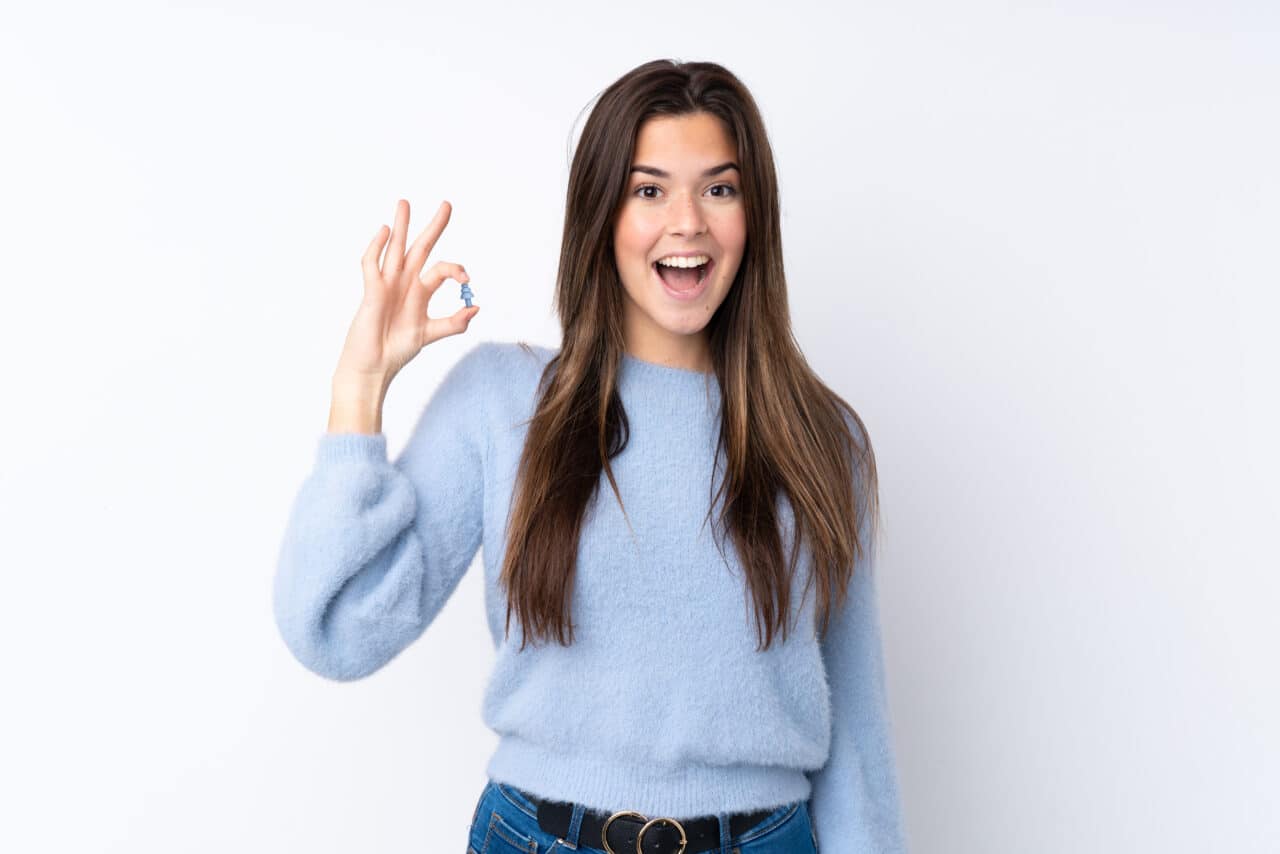
That ringing in your ears after a festival is called tinnitus, and it happens because loud music temporarily overstimulates the delicate hair cells inside your inner ear. For most people, the ringing fades within a few hours or by the next morning. But here is the part worth knowing: even when the ringing goes away, some damage to those hair cells may already be done. The good news is that protecting your hearing at concerts is simple, and it does not mean missing out on the music.
Is ringing in your ears after a concert dangerous?
Yes, it can be. That post-concert ringing is your ears sending you a clear signal that they took a hit. The technical name is tinnitus, and it shows up when the hair cells in your cochlea, the spiral-shaped organ deep in your inner ear, get overloaded by loud sound. Those hair cells convert sound waves into electrical signals that your brain reads as music, voices, and everything else you hear. When they get blasted by high decibel levels, they can get temporarily or permanently damaged.
The tricky part is that the ringing often fades, which makes it easy to assume everything is fine. But research from the World Health Organization tells a different story: even when short-term symptoms fully resolve, progressive and irreversible injury to the inner ear can continue for months. Your ears can also age faster after repeated noise exposure, and some damage does not even show up on standard hearing tests. Audiologists call this “hidden hearing loss,” where you struggle to follow conversations in noisy places but your test results look normal.
So yes, occasional ringing after a loud show is common. But treating it as a routine side effect of going to concerts is not a great idea.
How long does ear ringing after a festival last?
For most people, the ringing settles down within a few hours. After a particularly loud night, it might stick around until the next morning. That is what audiologists call a temporary threshold shift, basically a short-term reduction in your hearing sensitivity that your ears recover from with rest.
However, if the ringing lasts longer than 24 to 48 hours, that is a sign worth paying attention to. Persistent tinnitus that does not fade is more likely to reflect lasting damage to the hair cells, and since those cells cannot regenerate once they are gone, what you lose stays lost. The more often you experience post-concert ringing without protection, the greater the cumulative damage over time.
Factors that affect how long the ringing lasts include how close you were to the speakers, how long the event ran, and whether you gave your ears any breaks during the day. Multi-day festivals are especially risky because your ears do not get enough recovery time between sessions.
What should you do when your ears won’t stop ringing?
First, get away from the noise and let your ears rest. That means stepping away from loud environments for at least 24 hours after the event. Avoid headphones, loud bars, and anything that forces your ears to work hard while they are already stressed.
Here are a few practical steps to take:
- Rest in a quiet space. Give your auditory system time to recover without adding more noise on top of the existing stress.
- Stay hydrated. Good circulation supports the inner ear, and dehydration can make tinnitus feel more intense.
- Avoid caffeine and alcohol. Both can temporarily worsen tinnitus symptoms by affecting blood flow and nervous system activity.
- Sleep it off. Your body does a lot of repair work during sleep, and your ears are no exception.
- See a doctor if it persists. If the ringing is still going strong after two days, or if it comes with muffled hearing or pain, visit a healthcare professional. An audiologist can assess whether any lasting damage has occurred.
There is no quick fix for tinnitus once it starts, which is exactly why prevention matters so much more than treatment.
How loud are festivals and concerts for your hearing?
Loud. Very loud. The threshold where hearing damage begins is 85 decibels (dB). Normal conversation sits around 60 dB. A typical festival or concert easily hits 110 dB or more, and in the US there is no federal regulation capping how loud venues can be, so crowd exposure levels are largely uncontrolled.
To put that in perspective: exposure at 85 dB is considered safe for a few hours, but at 100 dB you are looking at damage after just 15 minutes without protection. At 110 dB and above, the window shrinks dramatically. Many festival-goers spend four, six, or even eight hours in that environment across a single day, often without any hearing protection at all.
The WHO published a global standard recommending that venues limit sound to no more than 100 dB averaged over any 15-minute period. But globally, only 18 jurisdictions have regulations in place to protect audience hearing at entertainment venues. In much of the world, including most of the US, the responsibility falls entirely on you.
Standing near the front of the stage or close to a speaker stack makes things significantly worse. The difference between a spot 10 feet from a speaker and one 50 feet back can be 10 dB or more, and every 10 dB increase roughly doubles the perceived loudness.
Can earplugs prevent ear ringing at festivals?
Yes, and this is one of the most straightforward things you can do for your long-term hearing health. Earplugs reduce the volume reaching your inner ear, giving those hair cells a fighting chance against sustained high sound levels. When worn correctly, a good pair of earplugs can bring a 110 dB environment down to a much safer level, well below the damage threshold.
The concern most music fans have is that earplugs will muffle the sound and ruin the experience. That is a fair worry when it comes to cheap foam earplugs, which block sound unevenly and can make music sound dull and distorted. But high-fidelity earplugs work differently. They are designed to reduce volume evenly across frequencies, so the music still sounds like music, just at a safer level.
Survey data from the CDC shows that around three in five US adults say they would wear hearing protection at a concert if it were provided. The barrier is usually not motivation, it is access and awareness. Having a pair of earplugs in your bag before you head to a festival takes about 30 seconds of planning and can protect your hearing for decades.
What are the best earplugs for festivals and concerts?
The best earplugs for live music are high-fidelity earplugs that reduce volume without distorting the sound. Here is what to look for when choosing a pair:
- Even frequency attenuation. A good music earplug reduces all frequencies by a similar amount, so the balance of bass, mids, and highs stays intact. Foam earplugs tend to block high frequencies more than low ones, which makes music sound muddy.
- A solid SNR rating. SNR stands for Signal-to-Noise Ratio and tells you how many decibels the earplug reduces. For festival environments that regularly exceed 110 dB, look for an SNR of at least 20 dB.
- A comfortable, secure fit. If an earplug is uncomfortable, you will take it out. Look for soft materials that work with your ear canal rather than against it, and a design that stays in place during a full day of music.
- Reusability. Single-use foam earplugs are wasteful and inconsistent. A reusable pair gives you reliable protection every time and is far better value over the course of a festival season.
Our Shush Acoustic earplugs are built specifically for exactly this kind of situation. They use a ceramic Venturi-shaped filter, the only one of its kind in the earplug market, which reduces sound by 23 dB while keeping the music clear and balanced rather than muffled. The filter sits inside the earplug rather than at the tip, which means you get full protection even if your ear canal is on the smaller side. Made from soft synthetic rubber rather than silicone or foam, they are more durable, more comfortable for long wear, and hypoallergenic for sensitive ears. One pair lasts at least 365 days of use, so the cost per use works out to far less than disposable alternatives. If you are heading to a festival this year, they are worth having in your pocket before you walk through the gate.
Frequently Asked Questions
How do I know if I need professional-grade hearing protection or if standard earplugs are enough?
It depends on how often you attend live music events and how close you typically stand to the speakers. If you go to a handful of shows per year and stay toward the back of the venue, a quality pair of high-fidelity earplugs with an SNR of around 20 dB will serve you well. However, if you are a frequent festival-goer, work in live music, or consistently position yourself near the stage or speaker stacks, investing in custom-molded musician’s earplugs from an audiologist gives you a more precise, personalized fit and long-term protection tailored to your ear canal.
Can I get my hearing tested to find out if past concerts have already caused damage?
Yes, and it is a smart move, especially if you have been attending loud events for years without protection. An audiologist can perform a standard audiogram to check your hearing across different frequencies, but ask specifically about extended high-frequency testing, which catches damage that a basic hearing test can miss. If you are experiencing difficulty following conversations in noisy environments even though your standard results look normal, mention that to your audiologist, as it may point to hidden hearing loss caused by cumulative noise exposure.
What is the safest spot to stand at a festival if I forget my earplugs?
Move as far back from the main speaker stacks as you can while still enjoying the show. Sound levels drop significantly with distance — moving from 10 feet to 50 feet from a speaker can reduce exposure by 10 dB or more, which meaningfully lowers your risk of damage. Avoid standing directly in front of or beside the large speaker towers at the sides of the stage, as those positions often expose you to the highest decibel levels. Taking breaks in quieter areas between sets also gives your ears partial recovery time throughout the day.
Do children and teenagers need hearing protection at festivals too?
Absolutely, and arguably more so than adults. Children’s ear canals are smaller, which can actually concentrate sound pressure more intensely, and their auditory systems are still developing. Teenagers are also at higher risk because they tend to seek out the loudest spots near the stage and are less likely to self-regulate. Look for high-fidelity earplugs specifically sized for younger ears, and make wearing them a non-negotiable part of the festival plan from the start rather than an afterthought.
Is there anything I can take before or after a concert to protect my hearing or speed up recovery?
There is no supplement or medication with strong enough clinical evidence to recommend as a reliable hearing protector or recovery aid. Some research has explored antioxidants like magnesium and vitamins A, C, and E in relation to noise-induced hearing loss, but results are not conclusive enough to replace physical ear protection. The most effective strategy before a concert is still wearing high-fidelity earplugs, and after a concert, the best recovery support is rest, hydration, and avoiding additional noise exposure for at least 24 hours.
Can noise-induced hearing loss from concerts be reversed or treated?
Unfortunately, no. Once the hair cells in your inner ear are permanently damaged, they do not grow back, and there is currently no approved medical treatment that can restore them. Some temporary hearing changes after a loud show will resolve on their own as your ears recover from a threshold shift, but repeated exposure without protection accelerates permanent, irreversible loss over time. This is why prevention is the only truly effective strategy, and why getting into the habit of wearing earplugs now matters regardless of your age.
What should I do if I experience ear pain rather than just ringing after a festival?
Ear pain after a loud event is a more serious symptom than ringing alone and warrants prompt medical attention. Pain can indicate barotrauma, a ruptured eardrum, or severe inner ear stress, all of which need to be evaluated by a doctor or audiologist as soon as possible. Do not try to manage it at home by inserting anything into the ear canal or using over-the-counter ear drops without professional guidance. The sooner you get checked out, the better the chances of minimizing any lasting damage.
Related Articles
- Can power tools damage your hearing?
- Can I wear earplugs while using a circular saw?
- What causes that muffled feeling after a noisy shift?
- Do reusable earplugs feel better than foam for long shifts?
- How do you ensure hearing protection compliance on a job site?
- What are the long-term consequences of skipping ear protection at concerts?
- How do DJs protect their hearing during long sets?
- Why do regular foam earplugs muffle music so badly at concerts?
- Are earplugs for going out worth buying if you only go out occasionally?
- How do you find earplugs that fit securely at a crowded EDM event?
- Can you still talk to friends at a club whilst wearing earplugs?
- Why do some concertgoers say earplugs make music sound better?
- Do earplugs for clubbing muffle the music too much?
- Can hearing damage from clubbing develop without you noticing?
- Can concert earplugs help people with anxiety in loud crowd environments?